
February 5, 2021

According to Chris Kalema, the lead Technologist at Unwanted Witness, the Civil society is concerned about how the prolonged social media restriction is driving Ugandans to use VPNs which come with a lot of data manipulation risks.
February 5, 2021
“Using VPNs in our daily lives creates an addiction but they siphon our data in form of names, addresses to do behavioral analytics for marketing and profiling. This information is transferred to third party users or the makers without the users’ consent”, says Chris Kalema, the Lead Technologist at Unwanted Witness.
January 29, 2021

As we commemorate International Data Privacy Day, the government of Uganda has to expedite the enactment of Data Protection and Privacy regulations for effective enforcement of the Data Protection and Privacy Act 2019
January 28, 2021

We join the rest of the world to commemorate international Data Privacy Day. The day aims at raising awareness about respecting privacy, safeguarding data, and enabling trust.
January 20, 2021

If Internet shutdowns are used as a blunt-force means of blocking access locally to a specific service or application, access to other unrelated services may also be impacted as collateral damage.
January 18, 2021
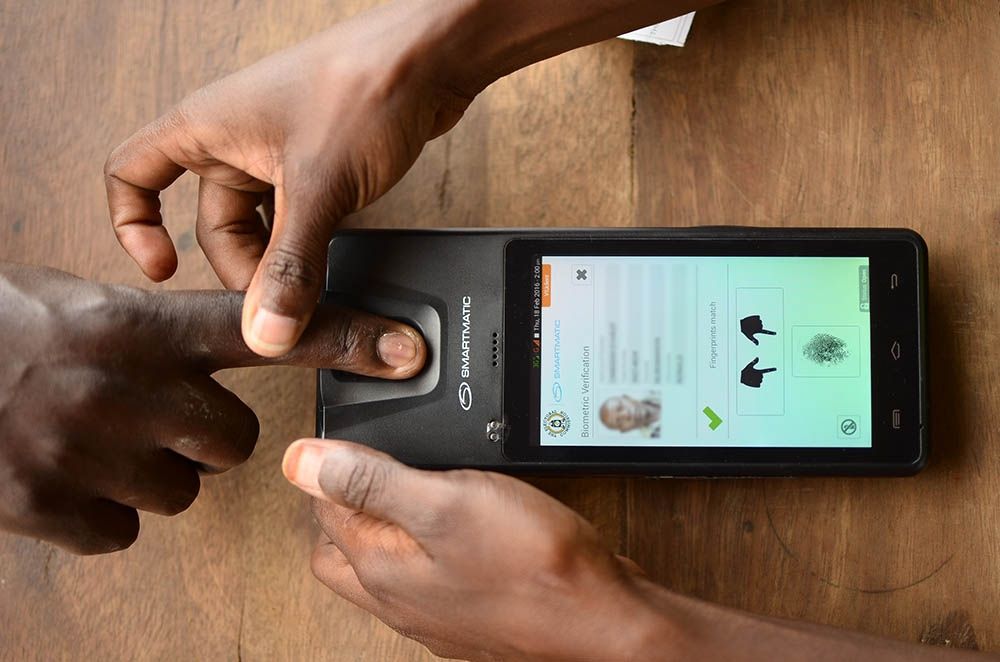
The use of Biometric machines was introduced in the 2016 general elections but the machines largely failed to work and the Electoral Commission (EC) which is the electoral body resorted to manual verification of voters using a voters’ register.
January 13, 2021

When a country like Uganda is aiming at becoming a middle income economy and wants to anchor the growth on its information and communication sector, Internet shutdowns send all the wrong signals to investors and consumers.
January 5, 2021

As the voting day draws closer, government and different political actors are embracing technological tools to provide voter education, monitor and tally election results.
December 28, 2020
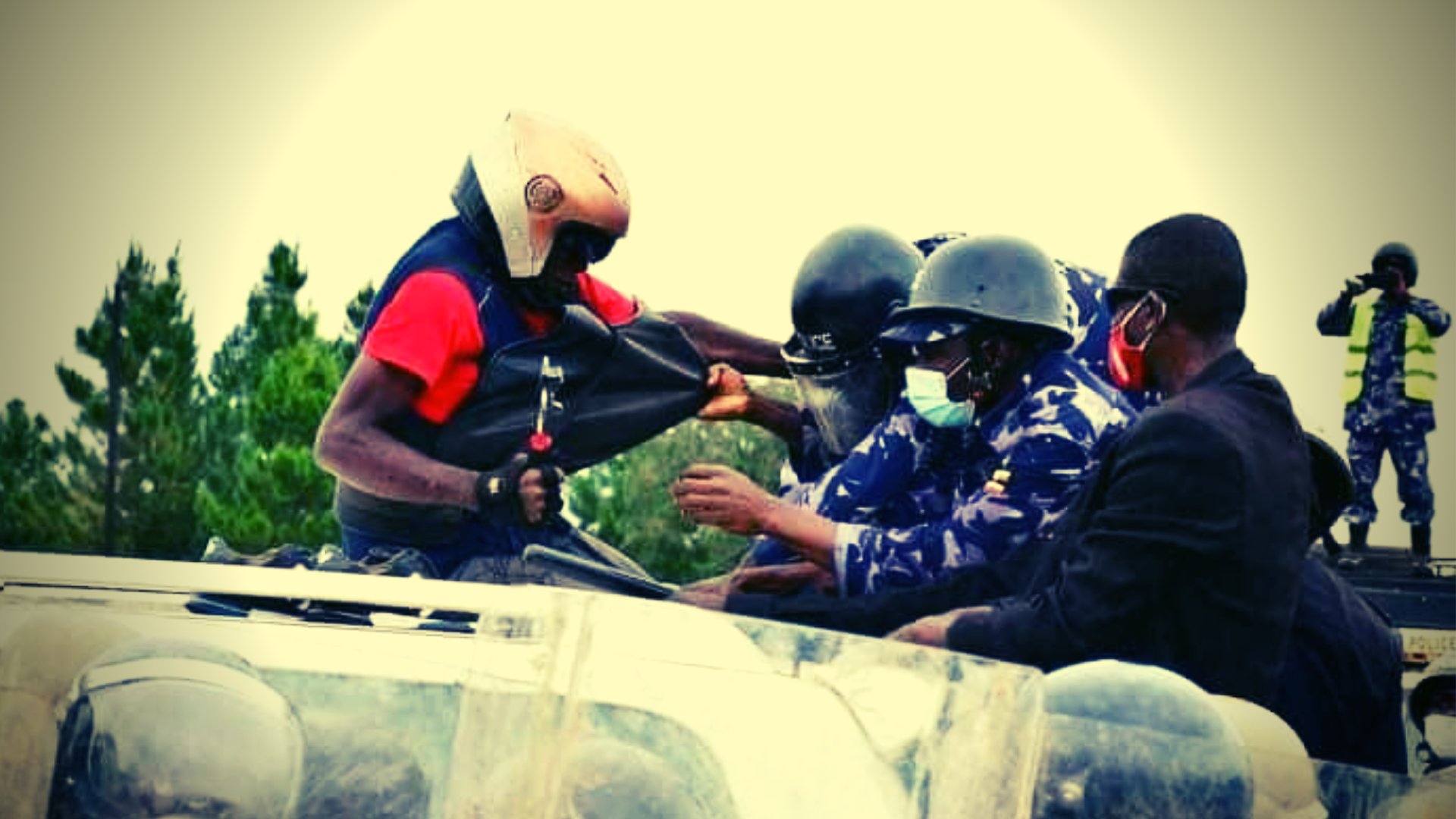






Unwanted Witness strongly condemns the ongoing odious acts of violence and harassment meted on journalists by security operatives in Uganda.