March 6, 2026

Four Days Offline: The Democratic Cost of Uganda’s Election Shutdown

By Unwanted WitnessKampala, Uganda | March 2026 At 6:02 PM on 13 January 2026, Uganda went […]
February 23, 2026

No Signal, No Voice: What Really Happened During Uganda’s 2026 Election Shutdown

By Sempala Allan Kigozi |Head Legal/Programs|Unwanted Witness23 February 2026 At 6:02 PM on 13 January 2026, […]
February 23, 2026

NO SIGNAL, NO VOICE: New Report Documents Election-Period Internet Shutdown in Uganda

Kampala-Uganda, 23 February 2026: Unwanted Witness (UW) and the Women of Uganda Network (WOUGNET) today release […]
January 27, 2026

Why Data Privacy Is the Missing Piece of Electoral Integrity

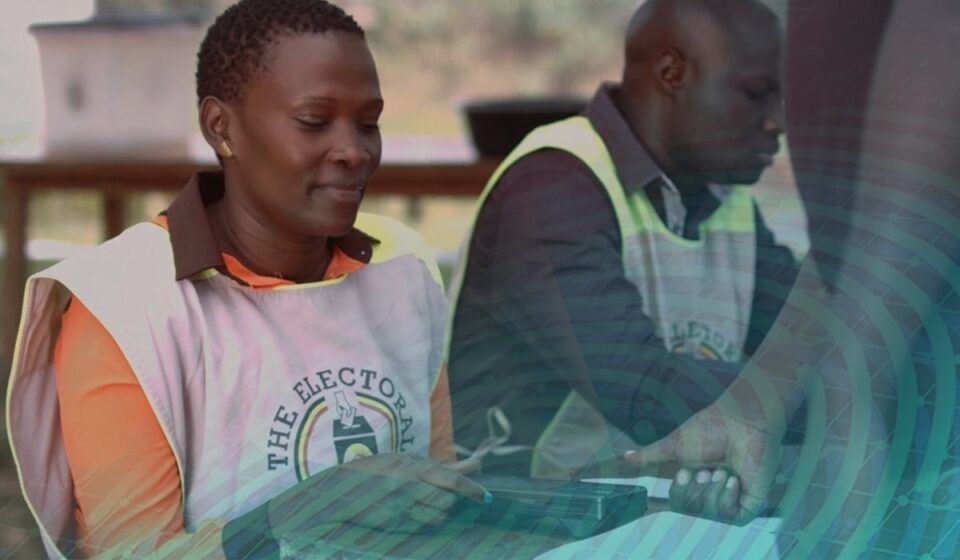
By Unwanted Witness 27 January 2026-Kampala, Uganda | Africa. Elections are often discussed in terms of […]
January 21, 2026

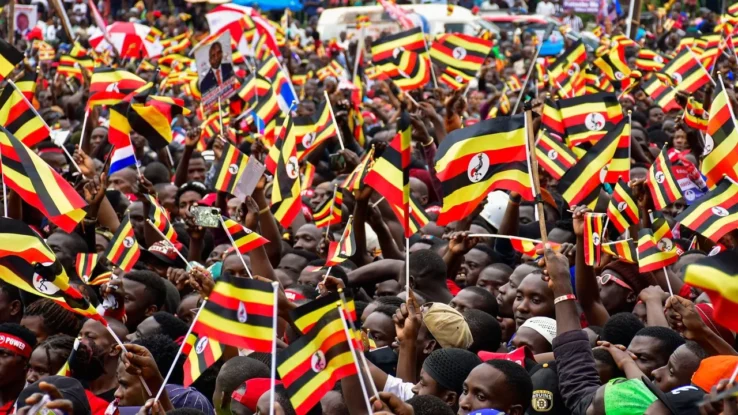
Elections in the Dark: How Uganda’s 2026 Internet Shutdown Undermined Democracy

By Unwanted Witness Kampala, Uganda – January 21, 2026 When Ugandans went to the polls in […]
June 13, 2025

Unwanted Witness Launches Groundbreaking Report on Surveillance Threats to Civil Society in East & Southern Africa

Harare, Zimbabwe – 10 June 2025 — Today, at the Holiday Inn Hotel in Harare, Zimbabwe, Unwanted […]
December 19, 2024

Unwanted Witness Submits Petition to Uganda Human Rights Commission Regarding National ID System

Unwanted Witness is strongly concerned by Uganda Revenue Authority’s (URA) attempt to acquire customer data from […]
July 30, 2024

Unwanted Witness Submits Petition to Uganda Human Rights Commission Regarding National ID System

Kampala, Uganda – July 30, 2024 – Unwanted Witness, a leading civil society organization dedicated to […]
June 10, 2024

A Call for Inclusivity, Trust, and Accountability in Reforming Uganda’s National ID System

One of the most striking issues identified in the paper is the financial burden imposed on Ugandans for ID services. The fixed fee of UGX 50,000/- ($13.78 USD) for replacing identification cards is markedly higher compared to neighboring countries like Kenya, Rwanda, and extends even to South Africa and India. In a nation where approximately 30.1% of the population lives below the poverty line, this exorbitant fee exacerbates social inequalities and restricts access to essential services for many Ugandans.
//]]>